The COVID-19 crisis required the Brazilian people to adapt their routine to contain the spread of the virus. The arbitration institutions could not act differently: they also changed their operations, closing offices and focusing on conducting proceedings online. We summarize in this table how Brazilian institutions are working through these difficult days and we will provide you with regular updates.
On March 19, 2020, the City of São Paulo enacted Law 17.324/2020, to foster out of court resolution…
We are pleased to announce that the latest edition of the Baker McKenzie International Arbitration Yearbook is now…

We are pleased to inform you that The Year Ahead 2020 – our publication looking at key developments in global litigation and arbitration for the coming year – is now available to read and download at: https://bakermckenzie.turtl.co/story/the-year-ahead-2020 The report looks at major themes for 2020 and highlights future developments in 26 jurisdictions. The report is a helpful tool to understand what trends are emerging and what is around the corner. This guide has been compiled by…
CHILE Rodrigo Díaz de Valdés and Ignacio Naudon A. LEGISLATION AND RULES A.1 Legislation Arbitration in Chile continues…
MEXICO Javier Navarro Treviño and Francisco Franco A. LEGISLATION AND RULES A.1 Legislation The Commercial Code (“Code”) governs…

BRAZIL Joaquim de Paiva Muniz, Luis Henrique Borghi, Bruna Silveira, Katherina Kuramoti Ballesta, Maria Clara Barros Mota, Frederico Bizarro Weingartner. A. LEGISLATION AND RULES A.1 Legislation The main regulatory developments concerning arbitration in Brazil in 2019 dealt with the participation of governmental entities. That follows due to the legal authorization included in the 2015 amendment to the Brazilian Arbitration Act as well as the implementation of aggressive privatization programs by the Federal Government. First, the…
ARGENTINA Luis E. Dates and Santiago Maqueda A. LEGISLATION AND RULES A. 1 Legislation International arbitration in Argentina…
COLOMBIA Claudia Benavides A. LEGISLATION AND RULES A.1 Legislation Domestic and international arbitration in Colombia continues to be…
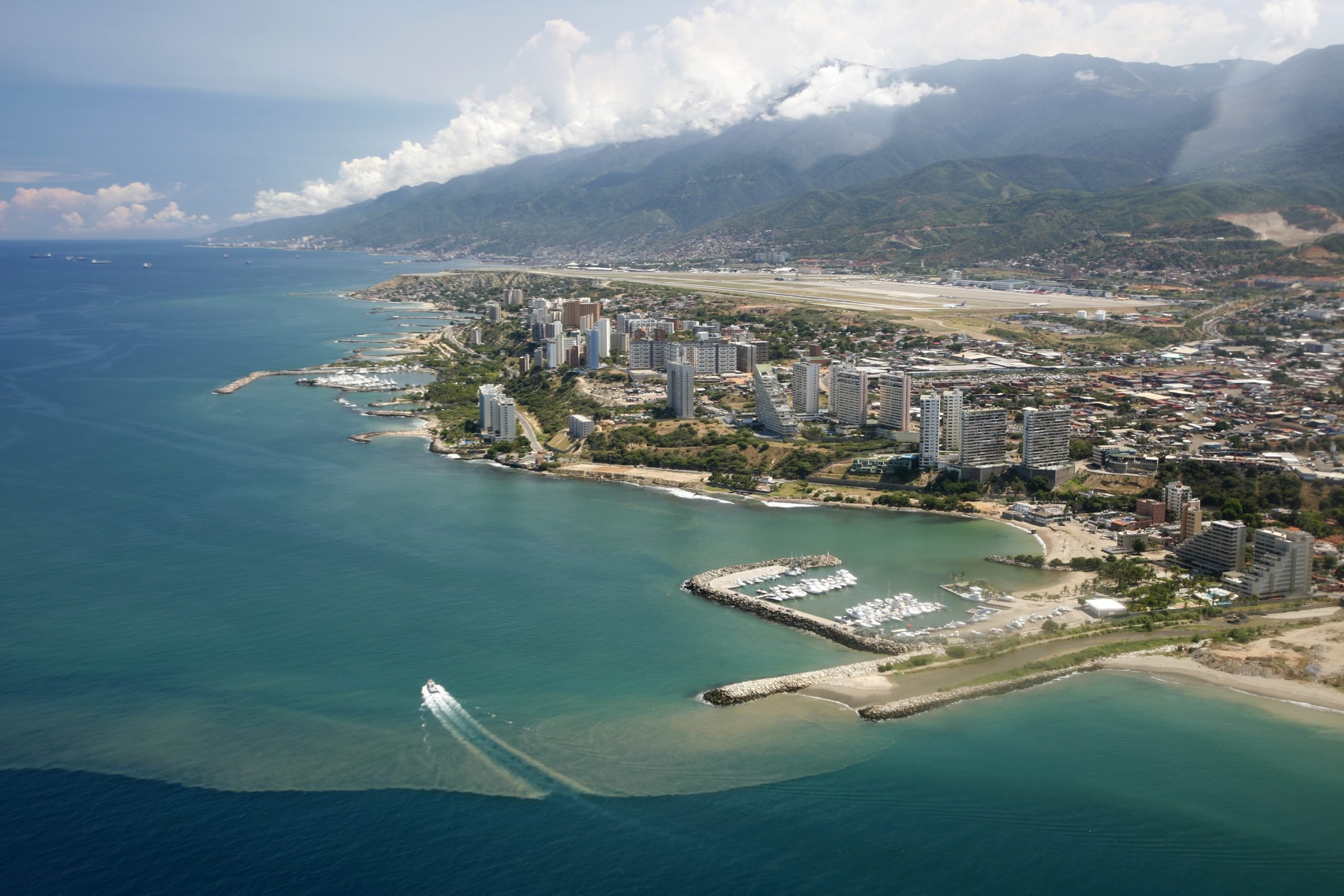
VENEZUELA Eugenio Hernandez-Breton, Maria Eugenia Salazar, Gabriel De Jesus, Hector Martinez, Maria Alejandra Ruiz, Maria Victoria Diaz. A. LEGISLATION AND RULES A.1 Legislation International arbitration in Venezuela continues to be governed by the Commercial Arbitration Law, published in the Official Gazette of the Bolivarian Republic of Venezuela No. 36.430 of 7 April 1998, to which no legislative amendments have been made since, and by several international treaties on the matter such as the Convention on…