Under Hong Kong law, a company shall be deemed to be unable to pay its debts if a creditor, to whom the company is indebted of at least HKD 10,000 (around USD 1,290), has served on the company a demand requiring the company to pay and the company has not done so within three weeks. A creditor may then petition to wind-up the debtor.[1] Other common law jurisdictions have very similar concepts.[2] Where the debt…
Introduction The only recourse for a party seeking to challenge a Hong Kong award is to apply to…
Parties to commercial litigation in the Hong Kong Court of First Instance (CFI) have been facing prolonged waiting…
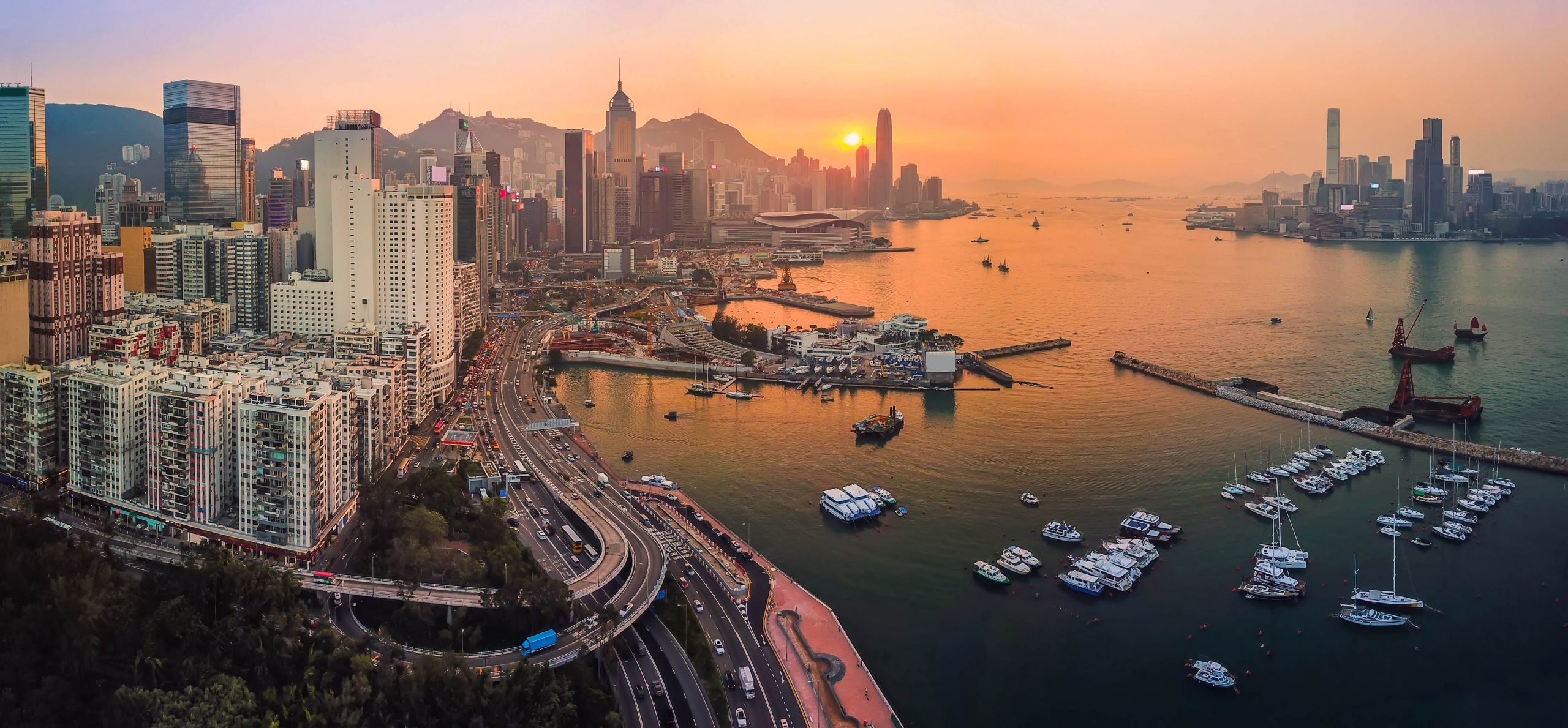
HONG KONG Philipp Hanusch A. LEGISLATION AND RULES A.1 Legislation A.1.1 Landmark arrangement between Mainland China and Hong Kong concerning court-ordered interim measures in aid of arbitrations On 1 October 2019, the Arrangement Concerning Mutual Assistance in Court-ordered Interim Measures in Aid of Arbitral Proceedings by the Courts of the Mainland and the Hong Kong Special Administrative Region (“Arrangement”) became effective. The Arrangement allows parties to Hong Kong seated arbitrations administered by certain eligible arbitral…
On 1 October 2019, the landmark arrangement between the Hong Kong Government and China’s Supreme People’s Court on…
In circumstances where a non-party to a contract becomes entitled to enforce a right under that contract (for…
Under Hong Kong law, an arbitration agreement is premised upon an implied undertaking by the parties to perform an award. Accordingly, the 6-year time limit to enforce awards in Hong Kong runs from the time when the award debtor fails to honour that promise. In its recent decision in CL v SCG [2019] HKCFI 398, the Hong Kong Court of First Instance (CFI) dismissed an enforcement application because it was made out of time. The…
The Hong Kong Government has just announced that the provisions permitting third party funding in arbitrations will operate…
The Hong Kong International Arbitration Centre (HKIAC) has announced that the new version of its Administered Arbitration Rules…
In August 2018, the Beijing Arbitration Commission (“BAC”) closed its first arbitration case involving emergency arbitration procedures in China (“GKML Case”). This case, with the claimants represented by Baker McKenzie Fenxun, is significant in that it not only featured the first emergency arbitrator proceeding (“EA proceedings”) in China but also the enforcement of the emergency arbitrator order (“EA Order”) in Hong Kong, and therefore has set a precedent and example for future practices of similar…