Search for:
Category

Latin America

Category

A. LEGISLATION AND RULES A.1 Legislation International arbitration in Colombia continues to be governed by Section Three of Law 1563 of 2012,[1] to which there have been no legislative amendments. Legislative attempts to modify Section Three of Law 1563 have been shelved, and there is no current bill being discussed to amend it. However, there are two bills currently under discussion in the Colombian Congress related to domestic arbitration: Bill No. 8 of 2023, which…

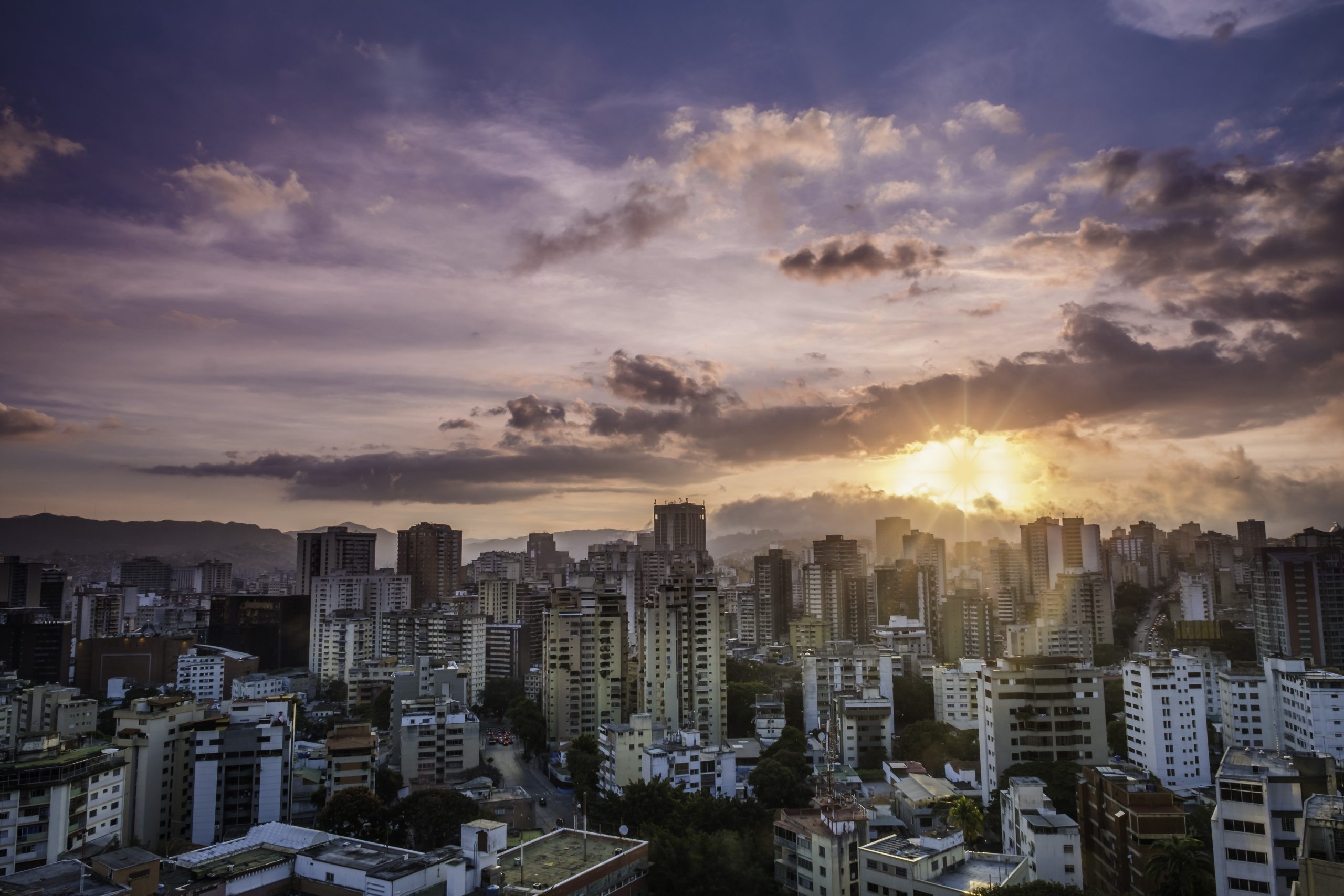
A. LEGISLATION AND RULES A.1 Legislation International arbitration in Venezuela continues to be governed by the Commercial Arbitration Law, published in the Official Gazette of the Bolivarian Republic of Venezuela No. 36.430 on 7 April 1998, to which no legislative amendment has been made since. In addition, Venezuela is a contracting state to a number of arbitration treaties, such as the 1911 Caracas Convention, the New York Convention, the 1975 Panama Arbitration Convention, and the…

CAM-CCBC, which is the largest Brazilian arbitral institution, has issued on April 26, 2023 specific rules on “corporate arbitrations” The New Rules “Corporate arbitrations” are defined as the ones in which: (i) the arbitral award can affect not only the parties, but also, on one hand, a corporation, limited company or association and, on the other hand, its respective shareholders, partners or members (as the case may be) and/or their respective administrators (the so-called “Affected…

The purchase and sale of electric power within the Brazilian system is effected through a chamber named “Câmara de Comercialização de Energia Elétrica – CCEE” (Electric Power Commercialization Chamber), which has a “convention for commercialization of electric power” (the “Convention”) setting forth some mandatory terms and conditions for power purchase agreements (“PPA’s”). The Convention includes an arbitration provision. For many years, disputes before the CCEE should have been resolved via arbitration before the FGV Arbitration…